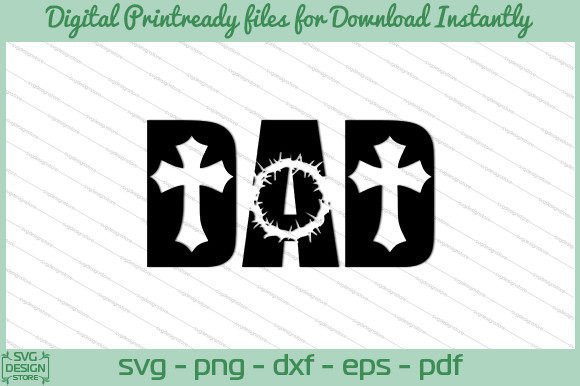
Christian Dad, Father's Day Graphics for Crafts & Campaigns
As a brand designer and content marketer, I recently reviewed the Christian Dad, Father's Day graphic design asset with a focus on how it can serve real marketing needs—from branding refreshes to seasonal content campaigns. This asset, designed for cutting machines and available in multiple formats including SVG, DXF, PNG, AI, EPS, and PDF, struck me as a versatile tool for both digital and physical marketing materials. Here’s how it holds up in a practical branding and content creation context.
First Impressions: Warm, Faith-Focused, and Family-Centered
The Christian Dad, Father's Day design immediately communicates a sense of tradition, faith, and family. Its visual tone is gentle yet meaningful, with iconography and text elements that speak directly to a values-driven audience. It feels especially suited for small businesses, faith-based brands, and content creators who want to connect with fathers, families, and church communities around Father's Day.
It's not overly formal, which makes it adaptable for both casual and semi-professional branding uses. However, it may not be the best fit for ultra-modern or luxury brands that rely on minimalism or high-end typography to convey exclusivity.
Supporting Brand Identity and Visual Consistency
One of the most important roles of a design asset like Christian Dad, Father's Day is to support a consistent visual identity. This asset works well as part of a larger design system, especially when integrated into seasonal campaigns. Whether used as a header graphic on social media or a decorative element in packaging inserts, it helps reinforce the brand’s emotional tone and audience connection.
It’s particularly effective when paired with complementary design elements—like coordinating fonts, color palettes, and supporting illustrations—to maintain a cohesive look across marketing visuals.
Marketing Uses: From Social Media to Printables
This design asset shines in a variety of marketing formats. Here’s where I found it most effective:
- Social media graphics: Ideal for Instagram stories, Facebook posts, and Pinterest pins that promote Father’s Day products or services.
- Email campaigns: Use as a header banner to add emotional resonance and visual interest to Father’s Day-themed newsletters.
- Pinterest graphics: Its illustrative nature and bold text make it stand out in a feed, supporting organic reach and engagement.
- Printable promotions: The high-resolution formats allow for clean printing on flyers, stickers, or gift tags for local promotions.
- Content kits: Bundle with Canva templates, blog graphics, or lead magnets to create a cohesive Father’s Day content package for creators and small businesses.
Visual Performance Across Branding Touchpoints
When tested across different branding applications, the Christian Dad, Father's Day asset performed well in the following areas:
- Brand identity: Supports a warm, family-oriented brand persona, especially for faith-based or lifestyle brands.
- Logo design: While not a logo itself, it can be used as a secondary brand icon in seasonal marketing.
- Packaging design: Adds a personalized, heartfelt touch when used on gift boxes, thank-you cards, or product inserts.
- Website headers: Works well in hero sections or landing pages promoting Father’s Day collections or services.
- Digital ads: Effective in Facebook and Google ads that target family-oriented audiences during the Father’s Day season.
Where This Design Asset Excels
The Christian Dad, Father's Day graphic truly stands out in the following marketing contexts:
- Hero graphics: Makes a strong first impression on landing pages or campaign emails.
- Seasonal branding: Perfect for limited-time campaigns around Father’s Day.
- Content bundles: Adds emotional value to Canva templates, social media kits, and editorial design packs.
- Printable promotions: High-quality formats ensure sharp printing for stickers, cards, and posters.
- Decorative brand elements: Enhances packaging, thank-you notes, and branded merchandise with a personal touch.
Where to Use It with Caution
While versatile, this design asset isn’t suited for every application. Use it carefully in the following situations:
- Formal corporate branding: May feel too casual for B2B or enterprise-level marketing.
- Dense layouts: Avoid using it where it competes with other visual elements or important text.
- Small mobile graphics: Some details may be lost at very small sizes, especially in PNG format.
- Minimalist brands: May clash with ultra-clean, modern brand aesthetics.
- Text-heavy ads: Best used as a supporting visual rather than the main focus when copy is dominant.
Practical Designer Notes for Integration
Before integrating Christian Dad, Father's Day into a live campaign, here are a few key steps to take:
- Test with your brand colors: Ensure it complements your existing palette and adjusts well to any color swaps.
- Check black and white usage: Some details may be lost in monochrome versions, so test for contrast and clarity.
- Place in real mockups: Use it in actual campaign layouts to see how it interacts with other design elements.
- Preview on mobile: Make sure it remains legible and visually effective on smaller screens.
- Compare with competitor visuals: Ensure it stands out and doesn’t blend in with the market standard.
- Pair with different fonts: Test how it works with serif, sans-serif, script, and display fonts to maintain visual harmony.
- Review spacing and balance: Adjust padding and alignment to ensure it integrates cleanly with other design components.
- Confirm commercial licensing: Always double-check that the asset is cleared for use in paid campaigns, client work, or digital product sales.
Final Take: A Thoughtful Addition to Seasonal Campaigns
Overall, the Christian Dad, Father's Day graphic design asset is a solid choice for small businesses, content creators, and marketers looking to create emotionally resonant, visually consistent campaigns. It supports a wide range of marketing goals—from stronger first impressions to improved audience trust—and works well across both digital and print platforms.
When used thoughtfully, it can elevate the visual quality of your content, enhance brand recognition, and create a stronger emotional connection with your audience. Just be sure to test it thoroughly in your brand context and use it where it enhances—rather than distracts from—your core message.