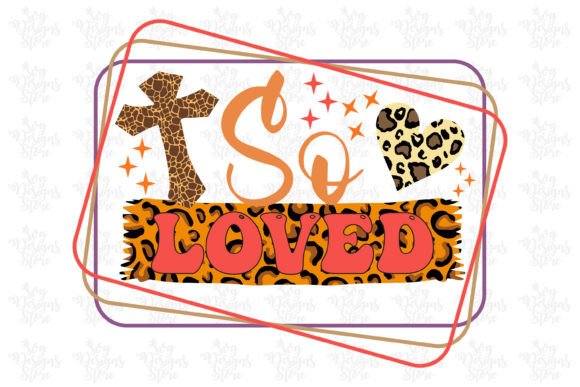
So Loved Jesus Sublimation SVG Design – A Visual Review for Branding & Marketing
As a brand designer and content marketer, I recently evaluated the So Loved Jesus Sublimation SVG Design as part of a real-world branding refresh for a small faith-based lifestyle brand preparing to launch a new line of devotionals and inspirational merchandise. The goal was to find a design asset that could enhance the brand’s visual storytelling, maintain consistency across platforms, and connect emotionally with its audience without looking cluttered or unprofessional.
First Impressions: Warm, Devotional, and Visually Balanced
The So Loved Jesus Sublimation SVG Design immediately conveys a sense of reverence and warmth. The design’s aesthetic leans toward soft, hand-drawn elements that feel personal and accessible—ideal for brands that want to communicate faith in a relatable way. The emotional tone is gentle yet meaningful, making it well-suited for casual branding, Christian lifestyle content, and community-driven marketing materials.
From a brand perception standpoint, this SVG strikes a balance between simplicity and sincerity. It doesn’t overwhelm the viewer but still carries enough visual weight to serve as a focal point when needed. It reads as handmade and heartfelt, which is a strong advantage for small businesses and content creators aiming to build trust and emotional connection with their audience.
Marketing Applications: From Social Media to Packaging
Let’s break down how this graphic design asset performed across several key marketing use cases:
- Social Media Graphics: Performed exceptionally well on Instagram stories and Pinterest pins. The design scaled beautifully and maintained clarity even on smaller mobile screens.
- Packaging Design: Worked beautifully as an accent element on product inserts and thank-you cards. It added a spiritual touch without overpowering the minimalist packaging style of the brand.
- Email Banners: Enhanced the header of a weekly devotional email template, creating a cohesive visual identity across newsletters.
- Content Bundles: Paired well with other design elements in a digital content kit, especially when used alongside scripture quotes and soft floral illustrations.
- Canva Templates: Integrated seamlessly into branded templates for blog graphics and promotional posts, helping maintain visual consistency across multiple content formats.
Supporting Brand Goals with Visual Consistency
One of the biggest challenges in small business branding is maintaining a unified visual identity across different platforms. The So Loved Jesus Sublimation SVG Design helped achieve that by serving as a recurring visual motif that reinforced the brand’s core message of faith and love.
It contributed to a stronger first impression on landing pages and product listings, improved audience trust through consistent religious symbolism, and enhanced emotional connection by subtly reinforcing the brand’s mission. The design also helped elevate the perceived professionalism of the brand’s digital product visuals and editorial layouts.
Where This Design Asset Excels
Based on testing and real-world application, this creative design shines brightest in the following scenarios:
- Hero Graphics: Perfect for homepage banners or campaign headers that need a soft, faith-inspired visual anchor.
- Product Launch Visuals: Works well in promotional materials for faith-based product lines or seasonal Christian-themed offers.
- Branded Templates: Ideal for content creators building Canva templates for bloggers, coaches, or faith-based entrepreneurs.
- Packaging Accents: Adds a meaningful touch to thank-you notes, inserts, and gift tags.
- Decorative Brand Elements: Great for subtle background textures, watermarks, or overlay elements in social media posts.
Use With Caution: When Less Is More
While versatile, the So Loved Jesus Sublimation SVG Design isn’t a one-size-fits-all solution. It should be used carefully in the following contexts:
- Formal Corporate Branding: Too casual for high-end or corporate environments where a minimalist or modern aesthetic is preferred.
- Dense Information Layouts: Can compete with text-heavy content like infographics or data reports.
- Small Mobile Graphics: While it scales well, intricate details may get lost in very small thumbnails or app icons.
- Low-Contrast Backgrounds: Needs a clean backdrop to stand out—avoid using it on busy or dark backgrounds without testing.
- Overly Minimal Brands: May feel out of place in brands that rely heavily on stark white space and geometric simplicity.
Brand Designer Notes: Practical Testing & Pairing Tips
Before finalizing this digital product for brand use, I ran through a series of practical checks:
- Color Palette Test: Confirmed compatibility with the brand’s existing color scheme. It worked best with warm neutrals and soft pastels.
- Black and White Usage: Maintained clarity in grayscale, making it suitable for print materials and monochrome content.
- Mockup Placement: Previewed in multiple campaign mockups—from Instagram posts to product packaging—and found it consistently elevated the design without overpowering other elements.
- Font Pairing: Complemented well with script fonts for a personal touch and paired cleanly with sans-serif fonts for a modern balance.
- Licensing Check: Verified that it comes with a commercial license, which is essential for small business branding, client work, and digital product sales.
Final Thoughts: A Faithful Visual Partner for Content Creators
The So Loved Jesus Sublimation SVG Design is more than just a decorative printable design—it’s a strategic design asset that supports storytelling, builds brand recognition, and adds emotional depth to marketing visuals. For faith-based brands, bloggers, and creative entrepreneurs, this SVG can be a powerful tool in crafting content that feels both professional and personal.
Whether you’re building a content marketing toolkit, designing a digital ads campaign, or creating branded merchandise, this illustration brings value through its versatility, emotional resonance, and visual clarity. Just be sure to test it thoroughly within your brand context and use it where it enhances—rather than distracts from—your message.